Ever felt Click for more like you’re standing in a maze of paperwork, wondering whether your child is ready for an autism assessment? You’re not alone. In Australia, the road to a formal diagnosis can feel like navigating a labyrinth—especially when you’re trying to understand the eligibility criteria. This guide will walk you through the key points, sprinkle in a dash of light humor, and hopefully turn that maze into a clear path.
Why Knowing the Eligibility Criteria Matters
Picture this: you’re at a buffet, and the menu lists every dish, but you’re not sure which ones you’re allowed to try. That’s what it can feel like when you’re unsure about who can get an autism assessment. Knowing the eligibility criteria is like having the menu in hand—so you can choose the right dish for your child’s needs.
- Early diagnosis often leads to early intervention, which can dramatically improve outcomes. It helps you navigate funding and support services. It ensures you’re not wasting time on unnecessary paperwork.
So, what exactly qualifies someone for an assessment? Let’s dive in.
Official Guidelines: Who Can Get Assessed?
The Australian health system follows a set of guidelines that determine who is eligible for an autism assessment. These guidelines are designed to be fair, evidence‑based, and, most importantly, child‑centric.
Age Limits and Timing
Most assessments target children aged 6 months to 16 years. Why this range? Because developmental milestones are most pronounced in these years, and early intervention can have a lasting impact. However, adults can also be assessed—just keep in mind that the process may differ slightly.

Clinical Red Flags
If you notice any of these red flags, it’s time to consider an assessment:
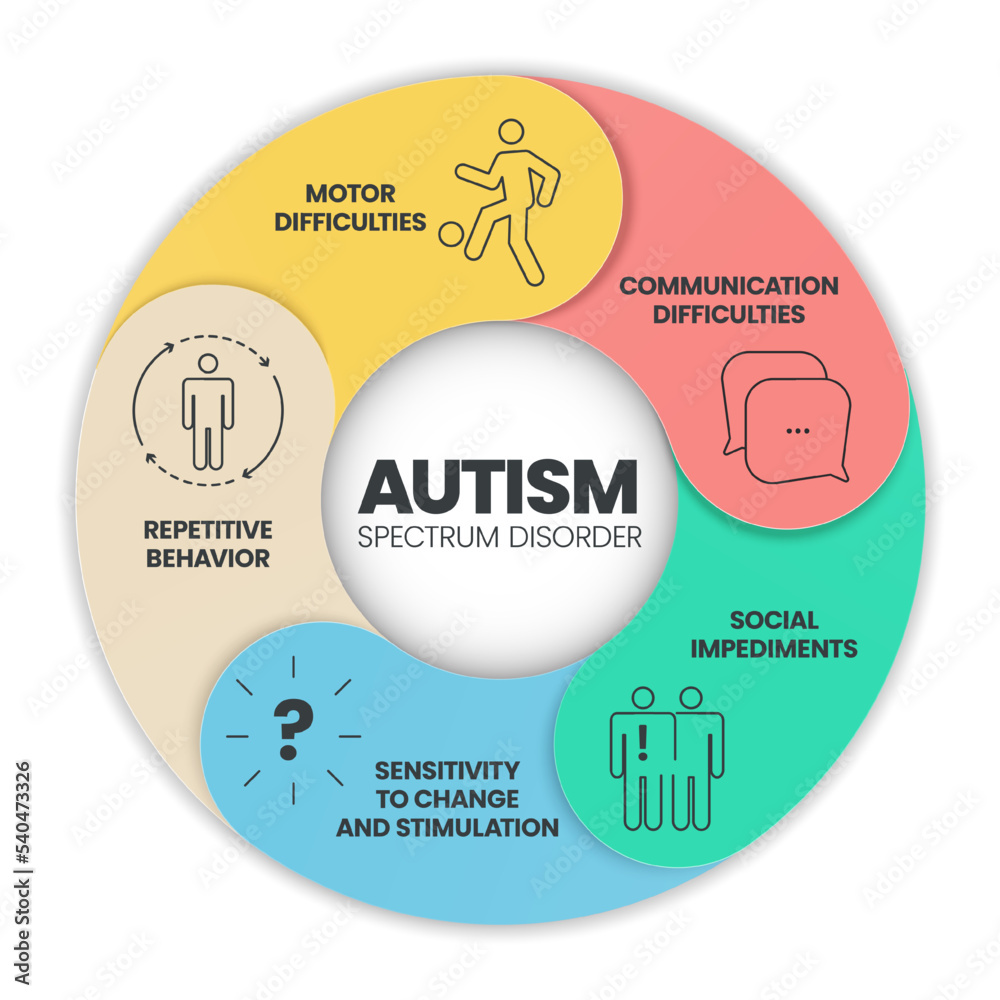
- Delayed speech or no speech by 18 months Social withdrawal or difficulty making eye contact Repetitive behaviors (hand‑flapping, rocking) Sensory sensitivities (overreaction to noise, light) Intense interests that dominate conversation
These are not exhaustive, but they’re common indicators that a professional evaluation may be beneficial.
Referral Sources
You can get an assessment through several pathways:
- General Practitioner (GP): A simple referral can set the wheels in motion. Specialist clinics: Some regions have dedicated autism assessment centers. School or early childhood education services: Teachers often notice early signs and can recommend a referral.
Remember, a referral is just the first step—there’s more to the journey.
The Assessment Process: Steps and Standards
Once you’ve crossed the eligibility threshold, the assessment itself begins. Think of it as a comprehensive health check, but for neurodevelopment.
Initial Consultation
During the first meeting, the clinician will:
- Gather developmental history Discuss concerns and observations Review any prior assessments or reports
Multi‑disciplinary Team
A hallmark of Australian autism assessments is the multi‑disciplinary team. This team usually includes:
- A psychologist or developmental paediatrician A speech and language therapist A occupational therapist A social worker or psychologist
Why a team? Because autism touches many facets of life—communication, sensory processing, daily living skills. A team ensures a holistic view.
Standardised Tools
To maintain consistency, clinicians use evidence‑based tools such as:
- ADOS‑2 (Autism Diagnostic Observation Schedule) ADI‑R (Autism Diagnostic Interview – Revised) Cognitive assessments (e.g., WISC‑V)
These tools help differentiate autism from other developmental conditions.
Common Misconceptions and How to Avoid Them
Even with guidelines in place, myths can cloud judgment. Let’s debunk a few.
Myth: Only Children Need Assessments
Truth: Adults can and should be assessed, especially if they’ve never received a diagnosis. The criteria remain largely the same—developmental history, current functioning, and observable behaviors.
Myth: It’s Free Everywhere
Reality: While some services are subsidised, many assessments involve fees. However, government funding can cover a substantial portion—more on that later.
Practical Tips for Families and Caregivers
Preparation can make the assessment smoother and less stressful.
Preparing for the Appointment
- Collect records: Birth certificates, school reports, prior evaluations. Document behaviours: A simple diary of daily routines, strengths, and challenges helps clinicians paint a full picture. Bring a support person: Having someone you trust can help you process information and ask follow‑up questions.
What to Expect During the Assessment
- Observation: The clinician will watch your child interact in various settings. Structured tasks: These might include play scenarios, communication tests, and sensory tasks. Interviews: You’ll likely discuss your child’s history and concerns in depth.
After the Assessment: Next Steps
- Report: The team will provide a comprehensive report outlining findings, diagnosis (if applicable), and recommendations. Planning: If diagnosed, you’ll discuss early intervention services, educational plans, and support networks. Follow‑up: Regular reviews help adjust interventions as your child grows.
The Road Ahead: Support and Resources
Diagnosis is just the beginning. The next step is to build a support network.
Government Funding Options
- Early Childhood Intervention (ECI): Provides services for children with developmental delays, including autism. National Disability Insurance Scheme (NDIS): Offers funding for supports that improve quality of life.
Applying can be a maze, but many community organisations offer assistance.
Community Services
- Local autism support groups: Peer support can be invaluable. Therapists and specialists: Look for professionals who specialise in autism. Educational resources: Many schools have Individual Education Plans (IEPs) tailored to autism.
Empowering Decisions: The Final Piece of the Puzzle
Imagine you’re a captain navigating a ship through a storm. The eligibility criteria are your compass, the assessment process your sturdy vessel, and the support services your crew. With the right tools, you’ll steer toward a horizon where your child’s strengths shine.
> “Early intervention is not just a strategy; it’s a lifeline.” – Dr. Jane Smith, Developmental Psychologist
So, if you’re wondering whether your child meets the eligibility criteria for autism assessment in Australia, the answer often lies in a blend of developmental milestones, observed behaviours, and professional referrals. Take the first step, gather your paperwork, and set your course. The journey may be long, but every https://files.fm/u/5ntfkdw7rg mile brings clearer insight and stronger support.